Source Dry Expansion Livestock Feed Mixer for Chicken, Cow, and Pig
Compare 30 listings for dry expansion livestock feed mixer units designed for grinding and mixing animal-derived or mixed feed. These machines feature single screw bulking, flat die pelletizing, and horizontal layouts with capacities ranging from 500 to 5000 kg per hour.
Key considerations
Products List




Comprehensive Sourcing Guide
Strategic Sourcing Guide for Dry Expansion Livestock Feed Mixers
Understanding the Technical Architecture of Dry Expansion Systems
When sourcing equipment for the dry expansion of livestock feed, buyers must first distinguish between simple mixing units and integrated processing lines that utilize dry expansion technologies. The core keyword "dry expansion livestock feed mixer" often implies a system capable of not only blending ingredients but also altering the physical state of the feed through mechanical action, such as grinding and conditioning, without the use of steam or liquid water injection typical of wet pelleting. Based on observed market data, these systems frequently employ a "Crushing-before-Mixing" or "Mixing-before-Crushing" process flow, depending on the specific raw material requirements.
The technical configuration of these machines varies significantly. Some units are designed as single-screw bulking machines, which are essential for increasing the bulk density of powders before they enter the mixing stage. Others integrate a feed hammer mill directly into the system, allowing for the immediate reduction of raw materials into a fine powder. The expansion process itself is often achieved through a dry expansion method, where mechanical shear and pressure are applied to the material. This is distinct from steam conditioning and is particularly useful for animal-derived feed or mixed feed where moisture control is critical.
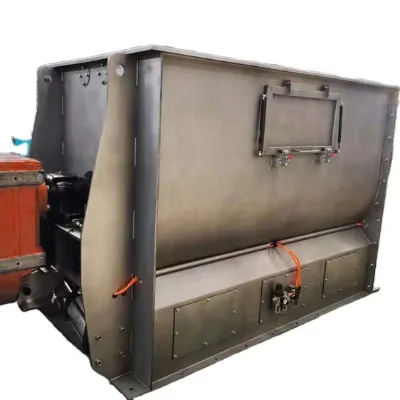
A critical component of the technical specification is the pellet mill type. While many dry expansion systems do not produce pellets in the traditional sense, some configurations utilize a flat die pelletizer to create granules from the mixed powder. The applicable materials shape is typically powder, though the output may transition to granular forms depending on the downstream processing. The mixing drum shape is usually cylindrical, operating in a horizontal layout to ensure uniform distribution of ingredients. The operating type is generally cycle-based, allowing for batch processing which is standard for many livestock feed operations. Buyers should verify if the machinery includes a screen mesh, as this is a standard feature for ensuring the final particle size meets specific nutritional requirements.
Compliance, Certification, and Regulatory Standards
In the B2B procurement of industrial feed processing equipment, compliance with international and regional standards is non-negotiable. The market data indicates that suppliers often provide certifications such as ISO, GOST, CE, and ISO9001:GMP. These certifications serve as evidence that the manufacturing facility adheres to specific quality management systems and safety protocols. For instance, the presence of a CE mark suggests compliance with European health, safety, and environmental protection standards, which is vital for buyers operating in or exporting to the European market. Similarly, ISO9001:GMP certification indicates a commitment to Good Manufacturing Practice, which is essential for food safety in the feed industry.
However, buyers must exercise caution when interpreting these certifications. The presence of a certification label does not automatically guarantee that every specific model or configuration meets the latest regulatory updates. It is imperative to request the actual certification documents and verify their validity with the issuing body. The core components of the machine, such as the engine, are critical areas where compliance is often scrutinized. Buyers should ensure that the engine meets local emission standards and safety regulations. Additionally, the machinery test report is a crucial document that provides empirical data on the machine's performance under load. This report should be reviewed to confirm that the machine's output capacity and mixing efficiency align with the claimed specifications.
The standard dimensions of the equipment are also a compliance factor, particularly for facilities with space constraints. Observed dimensions for certain models range from 15009501250mm to 4300x1750x2100mm. Buyers must verify these dimensions against their facility's layout to ensure proper installation and maintenance access. Furthermore, the origin of the machinery, often cited as China (specifically regions like Jiangsu or Shandong), can influence the regulatory framework applicable to the equipment. Buyers should be aware of any import regulations or specific standards required by their local authorities for machinery originating from these regions.
Cost Drivers and Pricing Dynamics
The pricing of dry expansion livestock feed mixers is influenced by a complex array of factors, resulting in a wide observed price range from $15 to $100,000 USD. This variance is not merely a reflection of brand prestige but is driven by the technical complexity, capacity, and customization options of the equipment. At the lower end of the spectrum, prices likely correspond to smaller, single-item units with basic functionality, such as simple powder mixers with a capacity of 500-2000 kg per hour. These units may lack advanced automation features and have a simpler mechanical design.
Conversely, the higher price points are associated with larger, more sophisticated systems capable of processing 3000-5000 kg per hour. These units often include advanced features such as automatic operation, which reduces labor costs and increases consistency. The inclusion of core components like high-performance engines and the availability of customization options also drive up the cost. Customization is a significant cost driver, as it allows buyers to tailor the machine to their specific raw materials and production requirements. This can include modifications to the mixing drum shape, the layout type, or the integration of specific grinding equipment.
The shipping time and logistics costs are also critical components of the total cost of ownership. A standard shipping time of 15 working days is observed in the market, but this can vary based on the destination and the complexity of the packaging. The packaging itself, whether a wooden case, wooden box, or container, adds to the cost and must be factored into the budget. Buyers should also consider the warranty period, which is typically one year. A longer warranty or extended service agreements can increase the initial purchase price but may offer significant long-term value by reducing maintenance and downtime costs.
Typical Applications and Operational Versatility
Dry expansion livestock feed mixers are designed to handle a diverse range of applications, making them versatile tools for various segments of the livestock industry. The primary application is the processing of animal-derived feed, which requires precise control over particle size and mixing uniformity to ensure optimal nutrition. These machines are also suitable for mixed feed production, where multiple ingredients must be blended effectively. The ability to process both powder and granular materials expands their utility, allowing them to serve as a bridge between raw material preparation and final feed formulation.
The specific usage of these machines covers a broad spectrum of livestock, including chicken, poultry, cows, cattle, and pigs. Each of these animals has unique dietary requirements, and the feed mixer must be capable of producing feed that meets these specific needs. For example, poultry feed often requires a finer particle size, while cattle feed may require a coarser texture. The machine's ability to grind raw materials into powder and mix them efficiently is a key advantage in meeting these diverse requirements. The "Easy Operate by Automatic" feature is particularly beneficial for large-scale operations where consistency and speed are paramount.
The processing object and technics also play a role in determining the applicability of the machine. Whether the process involves crushing before mixing or mixing before crushing, the machine must be capable of handling the specific workflow required by the buyer. The layout type, typically horizontal, and the mixing drum shape, usually a drum, are designed to optimize the mixing process for these specific applications. Buyers should evaluate their specific production needs against the machine's capabilities to ensure a good fit. The capacity of the machine, ranging from 500 to 5000 kg per hour, allows for scalability, making these units suitable for both small-scale farms and large industrial feed mills.
Supplier Evaluation and Selection Criteria
Selecting the right supplier is a critical step in the procurement process, as it directly impacts the quality, reliability, and long-term success of the feed production operation. Buyers should prioritize suppliers who provide comprehensive documentation, including machinery test reports and detailed specifications. The availability of a test report is a strong indicator of a supplier's confidence in their product and their commitment to transparency. Buyers should also verify the supplier's adherence to the claimed certifications, such as ISO, GOST, and CE, by requesting copies of the certificates and checking their validity.
The customization capabilities of the supplier are another important factor. A supplier that offers customization options demonstrates flexibility and a willingness to tailor their products to the buyer's specific needs. This is particularly important for buyers with unique production requirements or those operating in specialized markets. The supplier's location, often in regions like Jiangsu or Shandong in China, can also influence the lead time and shipping costs. Buyers should consider the logistical implications of sourcing from these locations and ensure that the supplier has a reliable shipping network.
The warranty and after-sales support are also crucial considerations. A standard one-year warranty is common, but buyers should inquire about the terms and conditions of the warranty and the availability of spare parts. A supplier with a strong after-sales support network can provide valuable assistance in the event of equipment failure or the need for maintenance. The brand name, such as Hycox, may also be a factor in the decision-making process, as established brands often have a reputation for quality and reliability. However, buyers should not rely solely on brand reputation and should conduct their own due diligence to ensure the supplier meets their specific requirements.
Quality Control and Long-Term Procurement Considerations
Ensuring the quality of the dry expansion livestock feed mixer is essential for maintaining high standards of feed production. Buyers should implement a rigorous quality control process that includes pre-shipment inspections and post-installation testing. The machinery test report provided by the supplier should be a key component of this process, offering insights into the machine's performance under various conditions. Buyers should also verify the dimensions and specifications of the machine against the agreed-upon standards to ensure that the equipment meets their requirements.
Long-term procurement considerations involve more than just the initial purchase price. Buyers should evaluate the total cost of ownership, including maintenance, energy consumption, and potential downtime. The "Easy Operate by Automatic" feature can significantly reduce labor costs and improve efficiency, but it also requires regular maintenance to ensure optimal performance. Buyers should plan for regular maintenance schedules and ensure that they have access to the necessary spare parts and technical support. The warranty period is a starting point, but buyers should consider extending their coverage through service agreements to protect their investment.
The scalability of the equipment is another important factor for long-term planning. As the livestock operation grows, the feed mixer should be able to handle increased production volumes without compromising quality. The observed capacity ranges from 500 to 5000 kg per hour, providing a wide range of options for different scales of operation. Buyers should choose a machine that not only meets their current needs but also has the capacity to grow with their business. The customization options available from suppliers can also play a role in scalability, allowing for future upgrades or modifications as the production requirements change.
Final Procurement Checklist and Verification Steps
To conclude the sourcing process, buyers should utilize a comprehensive checklist to verify all aspects of the procurement. This checklist should include verification of the machine's technical specifications, such as the grinding equipment type, bulking machine type, and pellet mill type. Buyers should also confirm the certifications and standards compliance, ensuring that the machine meets all relevant regulatory requirements. The cost drivers, including the price range, shipping time, and packaging, should be clearly understood and factored into the budget.
The supplier evaluation should be thorough, covering their customization capabilities, warranty terms, and after-sales support. Buyers should also consider the typical applications of the machine to ensure it aligns with their specific production needs. Finally, the quality control and long-term procurement considerations should be addressed to ensure the machine will perform reliably over its lifespan. By following this structured approach, buyers can make informed decisions and secure high-quality dry expansion livestock feed mixers that meet their operational requirements.
| Feature Category | Key Verification Points |
|---|---|
| Technical Specs | Confirm Expanding Method (Dry), Grinding Type (Hammer Mill), Mixing Drum Shape (Drum), and Capacity (500-5000 kg/hr). |
| Compliance | Verify ISO, GOST, CE, and ISO9001:GMP certifications; check Machinery Test Report availability. |
| Cost Factors | Analyze Price Range ($15-$100k), Shipping Time (15 days), and Packaging (Wooden Case/Box). |
| Applications | Ensure suitability for Animal-Derived Feed, Mixed Feed, and specific livestock (Chicken, Cattle, Pigs). |
| Supplier | Check Customization availability, Warranty (1 Year), and Core Components (Engine). |
| Quality Control | Review Dimension Standards (e.g., 15009501250mm), Screen Mesh inclusion, and Operating Type (Cycle). |
FAQs
What is the capacity range for dry expansion livestock feed mixers?
Capacity ranges from 500 to 5000 kilograms per hour depending on the specific model selected. Units like the SZLH350 offer higher throughput while smaller models handle lower volumes for smaller operations.
Which certifications are available for these feed mixing machines?
Machines often come with ISO, GOST, CE, and ISO9001:GMP certifications to ensure safety and quality standards. Buyers should verify these documents to confirm compliance with regional regulations before purchasing.
Can the equipment be customized for specific feed requirements?
Yes, customization is available to tailor the machine to specific raw materials and production needs. Options may include adjustments to the mixing drum shape or layout type to suit unique operational workflows.
How long is the shipping time for these livestock feed mixers?
The standard shipping time is 15 working days from the date of order confirmation. This duration applies to most models originating from China, though specific logistics may vary based on destination.
What materials can these mixers process effectively?
These machines are designed to process animal-derived feed and mixed feed in powder or granular shapes. They are suitable for producing feed for chickens, cattle, pigs, and other livestock species.
What is the warranty period for the core components?
The standard warranty period provided is one year for the machinery and its core components like the engine. This coverage helps protect against manufacturing defects during the initial operational phase.
Which grinding equipment types are integrated into these systems?
Systems frequently integrate feed hammer mills or single screw bulking machines for material preparation. This allows for efficient crushing before mixing or bulking to increase bulk density before the final mix.